
Exploring the Benefits of LENS Neurofeedback for Mental Health and Wellness
- Chloe Arditi

- Jan 30
- 3 min read
Mental health challenges affect millions worldwide, and finding effective, non-invasive treatments remains a priority. One promising approach gaining attention is LENS neurofeedback, a technique that supports brain function through gentle electrical stimulation. Developed and refined by Ochs Labs, LENS (Low Energy Neurofeedback System) offers a unique way to help the brain regulate itself, potentially improving mental wellness and cognitive performance.
This post explores what LENS neurofeedback is, how it works, and the benefits it may provide for mental health and overall wellness.
What is LENS Neurofeedback?
LENS neurofeedback is a form of brainwave training that uses very low levels of electromagnetic energy to the brain. Unlike traditional neurofeedback, which requires active participation and conscious control of brainwaves, LENS works passively by reading the waves emitted by the brain and sending those waves back, acting like a mirror. These signals encourage the brain to "see itself," and allows it to reorganize and balance its activity naturally.
Ochs Labs, a pioneer in this technology, has developed specialized equipment that delivers these signals safely and precisely. The process is painless, quick, and typically requires fewer sessions than other neurofeedback methods.
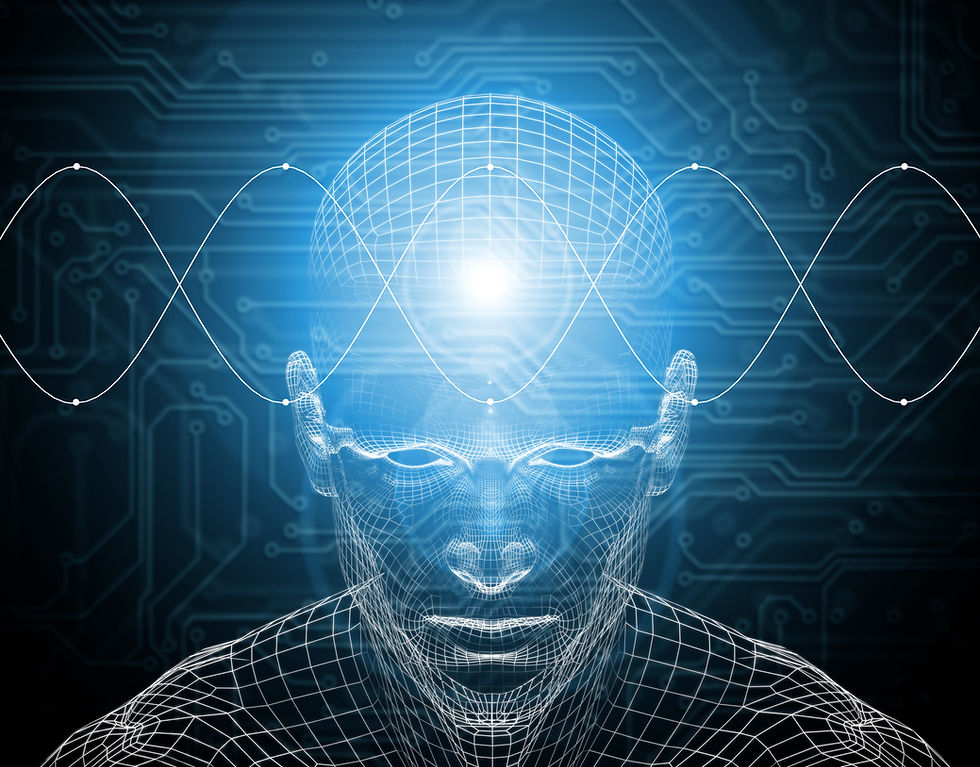
How LENS Neurofeedback Works
The brain operates through complex electrical patterns. Something as simple as a bump on the head or as complex as birth trauma and emotional trauma can impact these patterns. This creates something called Suppression. When Suppression occurs, it can lead to symptoms such as anxiety, depression, poor focus, sleep disturbances, fatigue and a host of other problems. LENS neurofeedback targets these irregularities by:
Measuring brainwave activity through sensors placed on the scalp.
Delivering very low-energy electromagnetic pulses that correspond to the brain’s own frequencies.
Prompting the brain to recognize and correct dysfunctional patterns.
Encouraging self-regulation and improved neural communication.
This gentle stimulation helps the brain "reset" itself, promoting healthier brainwave patterns without conscious effort from the individual.
Benefits of LENS Neurofeedback for Mental Health
Research and clinical experience suggest several mental health benefits from LENS neurofeedback. These include:
Reduced Anxiety and Stress
Many people experience relief from anxiety symptoms after LENS sessions. The technique helps calm overactive brain regions linked to stress responses, allowing individuals to feel more relaxed and centered.
Improved Mood and Depression Support
LENS may support mood regulation by balancing brainwave activity associated with depression. Some clients report enhanced emotional stability and reduced feelings of sadness or hopelessness.
Enhanced Focus and Cognitive Function
For those struggling with attention difficulties or brain fog, LENS neurofeedback can improve concentration and mental clarity. By optimizing brainwave patterns, it supports better information processing and memory.
Better Sleep Quality
Sleep problems often stem from irregular brain activity. LENS helps regulate these patterns, promoting deeper, more restful sleep and reducing insomnia symptoms.
Support for Post-Traumatic Stress and Brain Injuries
LENS has been used to assist recovery from trauma and mild brain injuries. It helps the brain heal by encouraging balanced neural activity, which can reduce symptoms like headaches, irritability, and cognitive difficulties.
What to Expect During a LENS Session
A typical LENS neurofeedback session lasts about 30 minutes. The practitioner places small sensors on the scalp to monitor brainwaves. The client sits comfortably while the device delivers brief pulses of low-energy electromagnetic signals. The process is painless and requires no active effort.
Most people notice subtle changes after just a few sessions, though the total number needed varies depending on individual needs. Some may experience immediate improvements, while others benefit gradually over time.
Safety and Effectiveness
LENS neurofeedback is considered safe for most people. The energy levels used are extremely low, and the method is non-invasive. Ochs Labs equipment meets strict safety standards, and practitioners receive specialized training to ensure proper use.
While research is ongoing, many clinicians and clients report positive outcomes. It is important to view LENS as a complementary approach rather than a standalone cure. Always consult a healthcare professional before starting any new treatment.
Practical Applications and Who Can Benefit
LENS neurofeedback suits a wide range of individuals, including:
People with anxiety, depression, or mood disorders seeking alternative or adjunct therapies.
Students and professionals wanting to improve focus and mental performance.
Individuals recovering from brain injuries or trauma.
Anyone experiencing sleep difficulties or chronic stress.
Because it is gentle and non-invasive, LENS can be used alongside other treatments such as counseling or medication.
Final Thoughts on LENS Neurofeedback
LENS neurofeedback offers a promising path for those looking to support their mental health and brain function naturally. By encouraging the brain to self-correct and balance its activity, it can reduce symptoms of anxiety, depression, and cognitive challenges. The process is safe, quick, and requires minimal effort from the client.
If you are interested in exploring new ways to improve your mental wellness, consider consulting a qualified LENS practitioner. This approach may provide the support your brain needs to function at its best.


Comments